How to Run a Business Credit Check (Without Paying $500)
Learn how to run a business credit check on B2B buyers using free and affordable tools. Skip the expensive reports - here's what actually works in 2026.
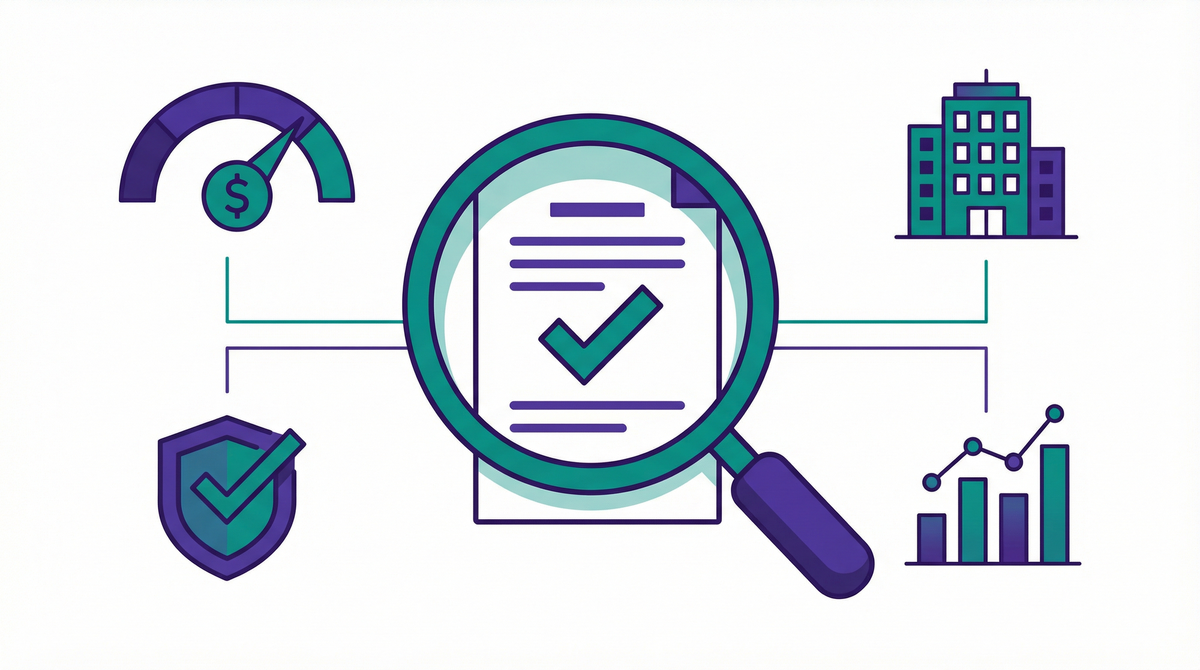
Running a business credit check on a new buyer used to mean one thing: paying Dun & Bradstreet $300-500 for a single report. For mid-market companies vetting dozens of buyers per quarter, that math gets painful fast.
The good news? In 2026, you have options. Free government databases, affordable credit bureaus, AI-powered tools, and open data sources can give you a solid picture of buyer risk - without draining your budget on a single report.
Here's how to run a thorough business credit check using a mix of free and low-cost methods.
Why Business Credit Checks Matter in B2B Trade
Before we get into the how, let's be clear about the why. When you extend payment terms to a buyer - whether it's net 30, net 60, or longer arrangements - you're essentially lending them money. A business credit check tells you whether that loan is likely to be repaid.
Skipping credit checks doesn't save money. It costs money - in bad debt write-offs, collection expenses, and the opportunity cost of tying up cash in overdue receivables. According to industry data, the average B2B bad debt rate runs between 1-3% of revenue. For a company doing $10M in annual sales, that's $100K-$300K walking out the door.
A proper buyer risk assessment catches problems before they become write-offs.
Step 1: Start With Free Public Sources
You'd be surprised how much you can learn about a business without spending a dime.
Government Business Registries
Every legitimate business leaves a paper trail with government agencies:
- Secretary of State filings - Search the state where the company is incorporated. You'll find incorporation date, registered agent, status (active/dissolved), and any name changes. A company that incorporated last month and wants net 90 terms? That's a red flag.
- SAM.gov (System for Award Management) - If your buyer does government work, their SAM profile shows revenue range, employee count, and whether they've been excluded from federal contracts.
- SEC EDGAR - For public companies, you get full financial statements for free. 10-K annual reports tell you everything about their financial health.
- State UCC filings - Uniform Commercial Code filings show existing liens on a company's assets. Heavy UCC filings can signal a business that's already leveraged to the hilt.
Court Records
Check federal (PACER) and state court records for:
- Active lawsuits (especially from other suppliers)
- Bankruptcy filings (current or past)
- Judgments and liens
- Tax liens from the IRS or state agencies
A company with three active supplier lawsuits is telling you something about how they treat their payables.
Online Presence Check
This isn't formal credit analysis, but it's surprisingly revealing:
- Company website - Professional, established, regularly updated? Or a template thrown up last week?
- LinkedIn - How many employees? Does the leadership team have real professional histories?
- Google News - Any recent coverage? Layoffs, lawsuits, or leadership changes?
- Better Business Bureau - Complaint history and resolution patterns
Want a deeper dive into where to find reliable buyer data? Check out our guide on top data sources for business credit checks.
Step 2: Use Affordable Credit Data Providers
Free sources give you the foundation. For the credit-specific layer, you have options well below the $500 mark.
Budget-Friendly Credit Report Providers
- CreditSafe - Offers reports in the $30-50 range with international coverage. Good for a quick snapshot of payment behavior, credit score, and financial summary.
- Cortera - Focused on trade payment data. Shows how a company pays its other suppliers, which is arguably the most predictive data point you can get.
- Equifax Business - Offers tiered products starting much lower than D&B. Their small business reports run $50-100.
- NACM (National Association of Credit Management) - Industry trade groups often share payment experience data among members for minimal cost.
What to Look For in a Credit Report
Don't just check the score. Focus on:
- Payment trend - Is the company paying slower over time? A company that went from paying on average 5 days late to 30 days late is deteriorating.
- Days Beyond Terms (DBT) - How many days past due are they on average? DBT over 30 is a warning sign.
- Credit utilization - How much of their available credit are they using? High utilization suggests cash flow pressure.
- Legal filings - Judgments, liens, and suits aggregated from public records.
- Company age and stability - Longer track records with consistent payment patterns are lower risk.
Step 3: Check Trade References (The Underrated Method)
This is the most underused business credit check method - and it's completely free.
Ask the buyer for 3-5 trade references (other suppliers they buy from on credit). Then actually call them. Ask:
- How long have you been extending credit to this buyer?
- What are their typical payment terms?
- Do they pay on time, early, or late?
- What's the largest credit line you've extended?
- Have you ever had a collection issue?
The catch: buyers will give you their best references. To get the real picture, ask for references in the same industry or of similar size to your company. And listen for hesitation - what people don't say is often more telling than what they do.
For a comprehensive approach to vetting new buyers, see our guide on B2B customer due diligence.
Step 4: Leverage AI-Powered Buyer Intelligence
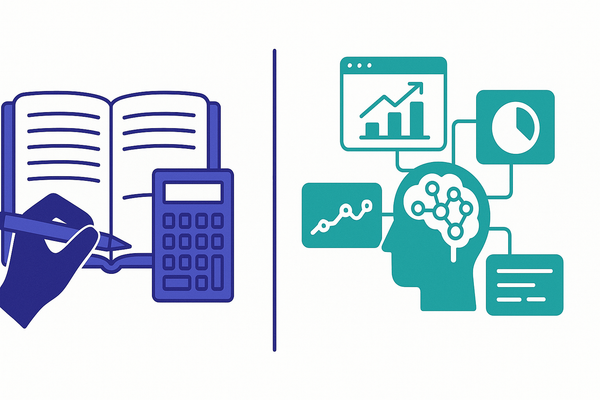
Here's where 2026 really differs from even a few years ago. AI-powered platforms can aggregate all the data sources above - public records, credit data, trade references, financial signals - and deliver a real-time risk assessment in minutes rather than days.
Instead of manually checking five different sources and trying to synthesize the information yourself, buyer intelligence tools pull it all together and give you an actionable risk score.
Want to check a buyer's risk profile in 60 seconds? Try BuyersIntelligence.ai - free.
The advantage isn't just speed. AI models can spot patterns that humans miss - like a combination of signals (slowing payments + increased credit utilization + recent leadership changes) that individually seem manageable but together predict a default.
This is especially valuable if you're doing international trade, where data sources are fragmented across countries and languages.
Step 5: Build a Repeatable Process
A one-time business credit check is good. A repeatable process is better. Here's a simple framework based on buyer size:
Small Orders (Under $10K)
- Free public sources (Secretary of State, online presence)
- One affordable credit report
- Decision in 1 day
Medium Orders ($10K - $100K)
- Full public records check
- Credit report from CreditSafe or Equifax
- 2-3 trade references
- AI-powered risk assessment
- Decision in 2-3 days
Large Orders (Over $100K)
- Everything above
- Financial statement review (request directly from buyer)
- Bank reference
- Consider credit insurance for the account
- Decision in 5-7 days
The key is matching your diligence level to the exposure. You don't need a $500 D&B report for a $5,000 order. But you also shouldn't wing it on a $200,000 credit line.
For an in-depth look at warning signs during this process, read our post on red flags when evaluating new B2B customers.
The Real Cost of Skipping Credit Checks
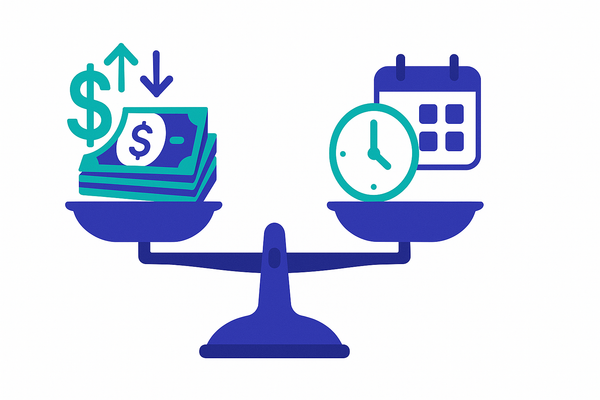
Let's do the math. Say you skip credit checks to save time and avoid report costs. You extend $50,000 in credit to a buyer who defaults. Your cost:
- Write-off: $50,000
- Collection agency fees (if you pursue): $12,500-$17,500 (25-35% contingency)
- Legal costs (if you sue): $5,000-$15,000
- Internal staff time: 20-40 hours of chasing
Compare that to the cost of a proper business credit check: $0-100 using the methods above. The ROI on credit checks is literally 100:1 or better.
Key Takeaways
Running a business credit check doesn't have to be expensive or complicated:
- Start free - Government registries, court records, and online research cost nothing and catch obvious problems
- Add affordable credit data - Reports from CreditSafe, Cortera, or Equifax cost $30-100, not $500
- Check trade references - Free, underused, and highly predictive of how a buyer will pay you
- Use AI tools - Platforms like BuyersIntelligence.ai aggregate multiple sources and deliver risk scores in minutes
- Scale your process - Match diligence depth to order size
- Never skip it - The cost of a bad debt dwarfs the cost of a credit check
The companies that manage buyer risk well aren't spending more on credit checks. They're spending smarter - using a combination of free, affordable, and AI-powered tools to make faster, better credit decisions.
Stop guessing about buyer risk. Get instant buyer intelligence.
Try BuyersIntelligence.ai - Free